Accepting Help Is Self-Care
By Becky Schmidgall and Sarah Cameron
Many kinship caregivers step into their roles overnight. Some are balancing jobs, medical appointments, therapies, court hearings, school meetings, and the daily realities of raising children who have experienced trauma. Some are doing it as single caregivers, without a partner with whom to share the emotional or practical load.
When every day feels like you're putting out fires, self-care can seem impossible. But what if self-care isn't about adding one more thing to your schedule? What if it's about finding ways to carry less?
This month at our kinship dinner we talked about how to ask for help, and discussed various ways to incorporate our community supports in our caregiving responsibilities.
Asking for Help Is Part of Caring Well

Many caregivers feel like they have to do everything themselves. Sometimes it's because there isn't much support available. Other times it's because asking for help feels uncomfortable, or because we've come to believe that it's easier to rely on ourselves. The truth is, raising children impacted by trauma or different needs was never meant to be a one-person job.
Take a moment to think about your support system. Who could:
Drive a child to therapy or an activity?
Sit with your children while you attend an appointment?
Help with dinner one evening?
Come over during the busiest part of your day?
Pick up groceries or medications?
Support can also come from professionals. Ask yourself: Am I doing something that someone else on my child's team could help with?
Therapists, case managers, respite providers, school staff, community organizations, and support groups (like Seeds Community Center!) all exist because caregivers need support too. Even something as simple as grocery delivery can save precious time and energy. While it may cost a little more financially, sometimes buying back an hour is worth far more than the delivery fee.
Your Children as Part of the Team
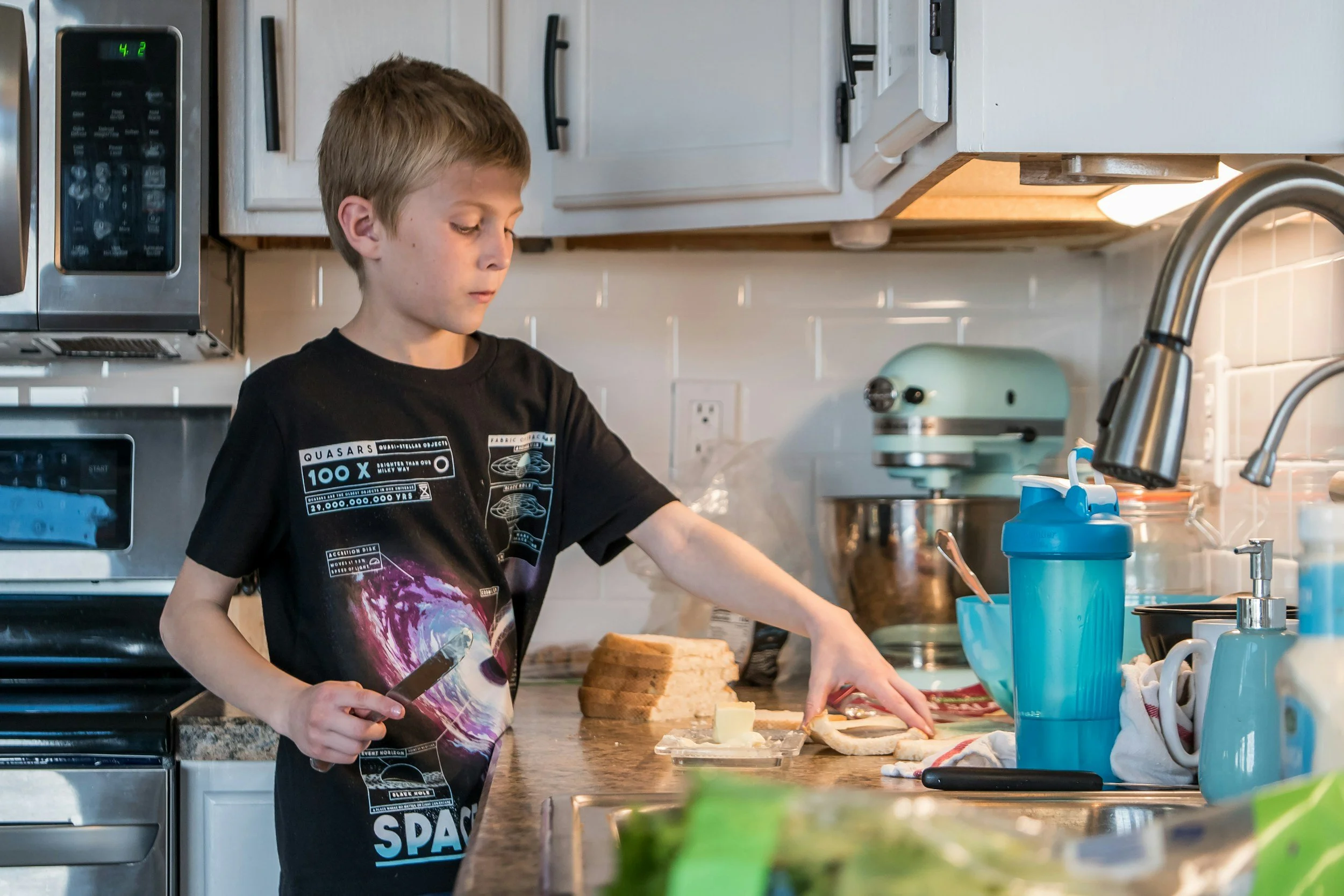
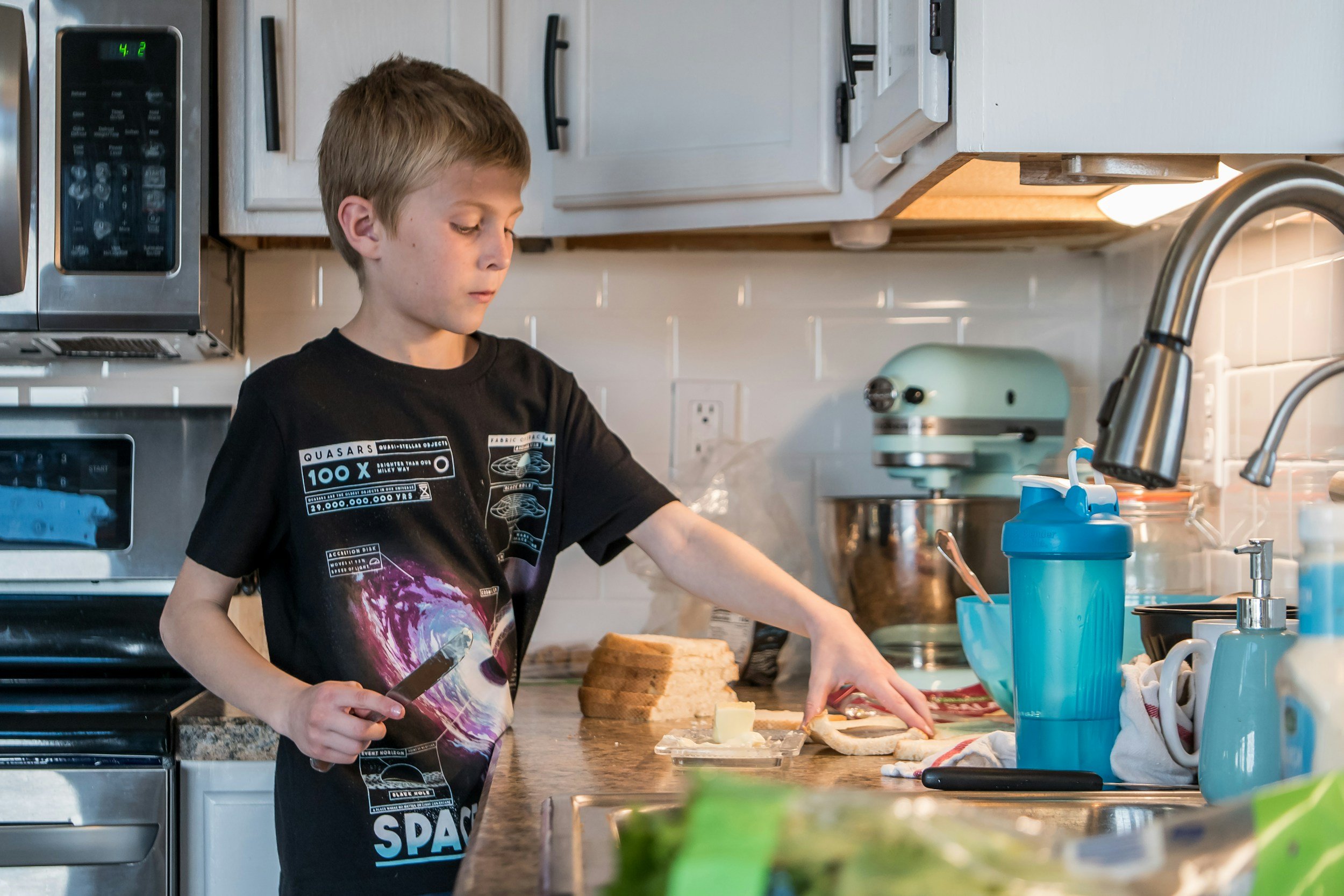
Children who have experienced trauma often need extra support, patience, and understanding. Their developmental age may not match their chronological age, and some skills may take longer to develop. That doesn't mean they can't contribute. Helping around the house isn't about expecting perfection or creating extra pressure. It's about giving children opportunities to build confidence, responsibility, and a sense of belonging. Every child can contribute in ways that match their abilities. That might look like:
Feeding a pet
Filling water bottles
Putting dirty clothes in the hamper
Packing part of their lunch
Folding towels
Clearing the table
Helping sort laundry
Watering plants
Children with special needs or trauma histories may need tasks broken into smaller steps, visual reminders, extra encouragement, or more time to learn. That's okay. Progress matters more than perfection.
Be Mindful of Learned Helplessness
One of the difficult realities of trauma is that children often arrive in our care with experiences that have affected their confidence, independence, or belief in their own abilities. As caregivers, it's natural to want to help. Sometimes we've spent so much time preventing meltdowns or keeping the day moving that we begin doing things our children are capable of learning to do with support.
While there are certainly tasks your child may truly be unable to do, it's worth asking, What can I teach instead of taking over?
Building independence doesn't happen overnight. It happens one small success at a time. Every new skill learned teaches a child that they can do hard things.
Reduce the Mental Load

For many kinship caregivers, it's not just the physical work that's exhausting. It's remembering medications, scheduling appointments, managing behaviors, communicating with schools, planning meals, keeping track of paperwork, and making hundreds of decisions every week. Decision fatigue is real.
Whenever possible, create systems that reduce the number of choices you have to make. Consider:
Meal planning for the week
Assigning consistent chore days (to you and your kids)
Using visual schedules or chore charts
Keeping recurring appointments on the same days when possible
Having one trusted friend, therapist, mentor, or family member you can consult when you need help thinking through difficult decisions
Predictability often benefits children impacted by trauma, and it benefits caregivers as well, by lessening the mental load.
Let Go of Impossible Expectations
Many kinship caregivers hold themselves to incredibly high standards. You want to heal your child, protect them, advocate for them, and meet their needs. Somewhere along the way, you may begin believing you should be able to do it all. This is not true.
Part of self-care is recognizing the expectations we place on ourselves and acknowledging when they're no longer realistic or helpful. Sometimes our greatest source of stress isn't just the workload, it's the gap between what we expect ourselves to accomplish and what one human being can actually do.
Accepting help doesn't make you less capable. Delegating age-appropriate responsibilities doesn't make you less loving. Building a team around your family doesn't mean you've failed. It means you're acknowledging the importance of community and creating a sustainable way to keep showing up- for your children and for yourself. Because when caregivers are supported, children are supported too.